
Cannabis & Controlled Environment HVAC
Expert witness testimony and forensic analysis for cannabis HVAC failures and crop loss litigation. We trace the causal chain from environmental control failure to crop damage — with findings that hold up at trial.
When Grow Room Climate Control Fails, Crops Die. We Prove Why.
Cannabis cultivation facilities depend on precise environmental control. Temperature swings, humidity spikes, dehumidification failures, and airflow deficiencies can destroy an entire crop cycle worth hundreds of thousands — or millions — of dollars. When HVAC systems fail in grow facilities, the resulting litigation requires an expert who understands both mechanical engineering and the specific environmental demands of cannabis cultivation.
LaRovere Consulting provides forensic HVAC investigation and expert witness testimony for cannabis crop loss cases. Our team brings 39+ years of HVAC engineering expertise, licensed PE credentials, and direct experience investigating controlled environment failures. We trace the causal chain from system deficiency to environmental excursion to crop damage — and present findings that withstand Daubert challenges and cross-examination.
- Licensed PE with forensic HVAC specialization
- Controlled environment and grow facility expertise
- Crop loss causation and damage quantification
- Daubert-ready reports and testimony
- Nationwide — all 50 states, any jurisdiction
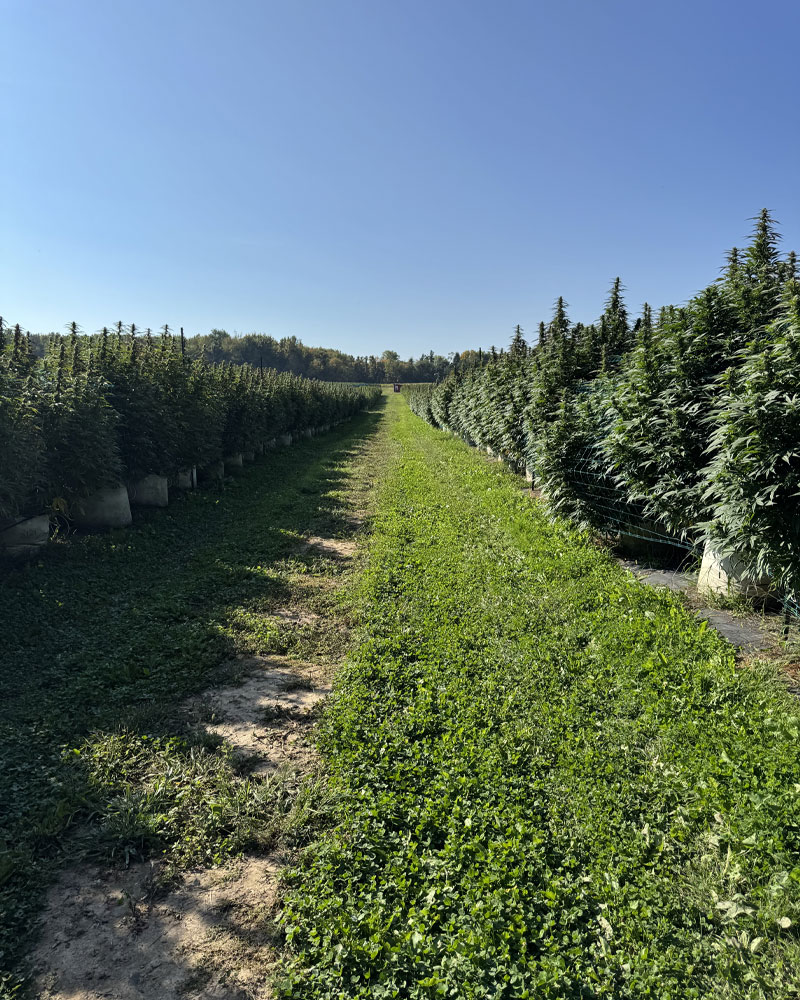
Cannabis HVAC Services for Litigation & Investigation
From initial forensic inspection through trial testimony — specialized expertise at the intersection of HVAC engineering and cannabis cultivation.
Cannabis HVAC Expert Witness Testimony
Qualified expert witness testimony for cannabis crop loss litigation. We explain complex HVAC failures, environmental control deficiencies, and their direct causal link to crop damage in terms attorneys, adjusters, and juries understand.
Grow Facility Failure Analysis
Forensic root cause analysis of HVAC and environmental control failures in cannabis cultivation facilities. We investigate equipment malfunctions, design deficiencies, installation errors, and maintenance failures that led to crop loss.
Climate Control System Evaluation
Independent evaluation of HVAC system design, sizing, and performance in grow rooms and controlled environment agriculture facilities. We assess temperature, humidity, CO2 management, airflow, and dehumidification against cultivation requirements.
Construction Defect Assessment
Technical evaluation of construction defects in cannabis facility mechanical systems. We determine whether HVAC installations meet the standard of care, identify responsible parties, and quantify damages for litigation or insurance claims.
Crop Loss Damage Quantification
Engineering-based quantification of crop losses tied to HVAC and environmental control failures. We calculate the causal chain from system failure to environmental excursion to crop damage — providing defensible numbers for settlement or trial.
Design Review & Code Compliance
Pre-construction and post-failure review of HVAC designs for cannabis facilities. We evaluate mechanical plans against applicable codes, ASHRAE guidelines, and the specific environmental demands of cannabis cultivation at each growth stage.
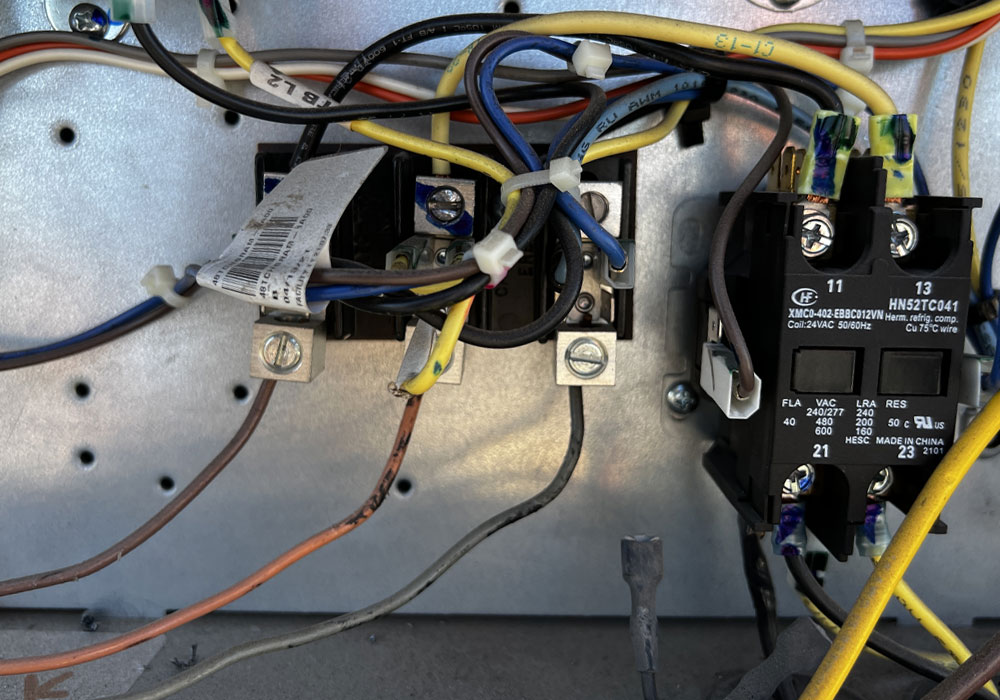
Cannabis HVAC Is Not Standard Commercial HVAC
Most HVAC experts have never set foot in a cannabis cultivation facility. They don't understand the extreme latent heat loads from plant transpiration, the precise dehumidification requirements at each growth stage, or why a temperature excursion that would be trivial in an office building can destroy an entire cannabis crop.
Our team understands these distinctions. We know the difference between vegetative and flowering stage environmental requirements. We can evaluate whether an HVAC design accounts for the unique thermal and moisture loads of a 1,000-plant grow room. And we can explain to a jury exactly how a dehumidification failure led to powdery mildew that rendered an entire harvest unsaleable.
Expert Witness ServicesA Cannabis HVAC Expert Who Speaks to Juries, Not Just Engineers
Finding a qualified expert witness at the intersection of HVAC engineering and cannabis cultivation is exceptionally difficult. Most mechanical engineers lack cannabis facility experience. Most cannabis consultants lack the engineering credentials and litigation experience required for expert testimony.
LaRovere Consulting bridges that gap. We deliver forensic engineering analysis with the technical depth to survive Daubert challenges and the communication skills to make complex HVAC failures understandable to non-technical audiences. Our reports are litigation-ready, our methodology is transparent, and our testimony is direct.
- Qualified under Daubert and Frye standards
- Clear, jargon-free testimony for judge and jury
- Causation analysis linking HVAC failure to crop loss
- Damage quantification for settlement and trial
- Available for deposition and trial in any jurisdiction
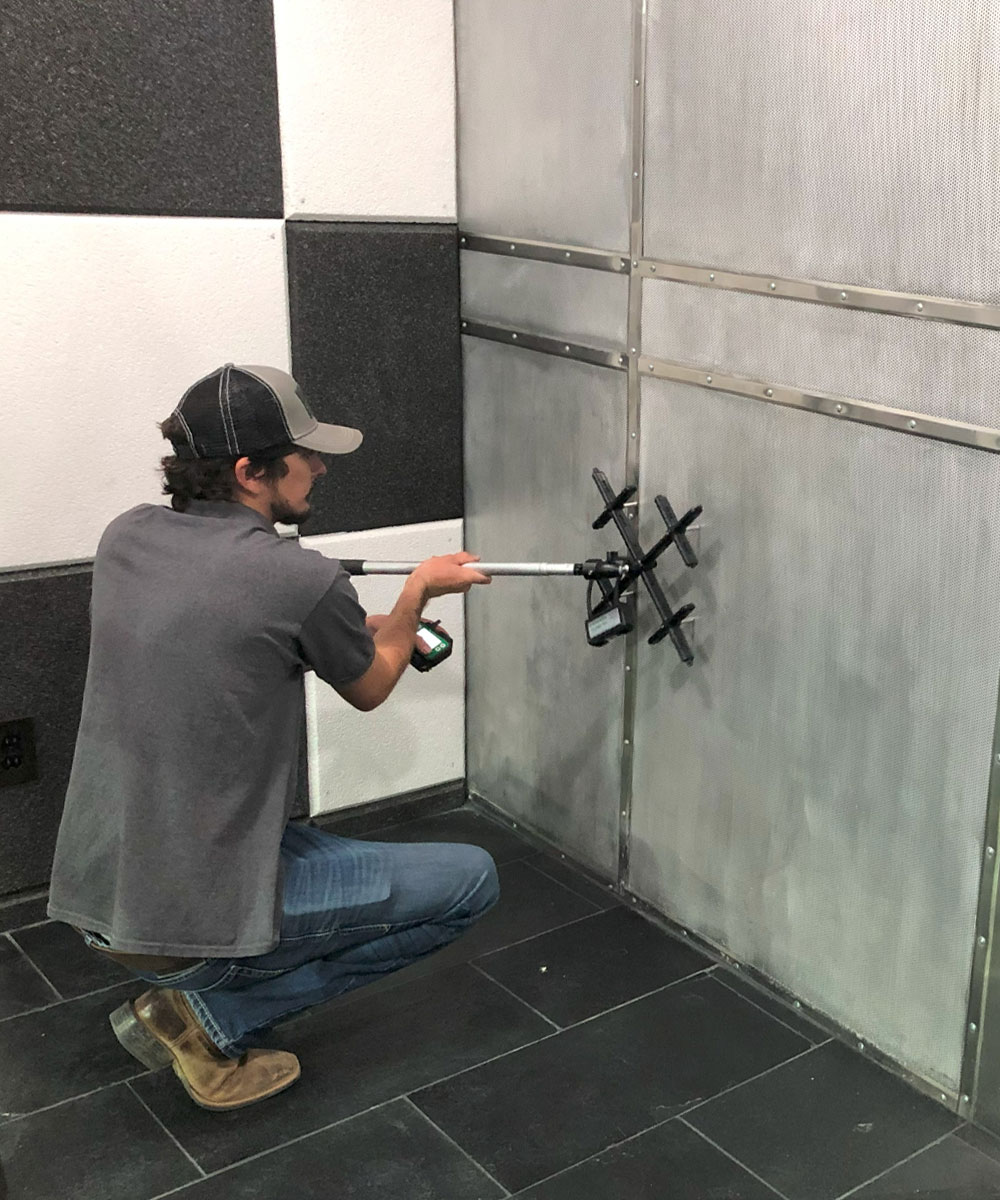
HVAC Failures We Investigate in Cannabis Facilities
These are the most frequent HVAC and environmental control failure patterns we encounter in cannabis crop loss cases.
Temperature Excursions
Undersized cooling, failed compressors, or inadequate load calculations causing temperature spikes that trigger heat stress, hermaphroditism, or terpene degradation.
Dehumidification Failure
Insufficient or improperly sized dehumidification causing elevated RH, leading to powdery mildew, bud rot (Botrytis), and failed compliance testing.
Airflow & Distribution Defects
Poor ductwork design, inadequate air changes, or dead zones in grow rooms creating microclimates that promote uneven growth, pest infestation, and localized mold.
Controls & Automation Failure
Failed sensors, miscalibrated controllers, or missing environmental monitoring causing the HVAC system to operate outside cultivation parameters without alerting facility operators.
Installation & Maintenance Defects
Improper refrigerant charge, missing insulation, clogged filters, failed condensate management, or deferred maintenance causing progressive system degradation and eventual crop-damaging failure.
CO2 System Malfunction
Failed CO2 supplementation systems, leaking regulators, or improper CO2 management causing either CO2 depletion (stunted growth) or dangerous CO2 accumulation levels.
How We Work
Case Intake & Scope Definition
We review the facts of the case, identify the HVAC and environmental systems at issue, and define the scope of our investigation — including site inspection, document review, and testing requirements.
Site Investigation & Data Collection
On-site forensic inspection of the cannabis facility's HVAC systems, environmental controls, and grow room conditions. We document equipment, measurements, and environmental data relevant to the crop loss.
Engineering Analysis & Root Cause
We analyze collected data against applicable codes, ASHRAE standards, manufacturer specifications, and cannabis cultivation requirements to determine the root cause of the environmental control failure.
Report, Testimony & Litigation Support
Detailed engineering report documenting findings, causation, and damage quantification. We provide deposition and trial testimony as needed, explaining complex HVAC failures in terms juries understand.
Backed by Recognized Standards






Frequently Asked Questions
What qualifies LaRovere as a cannabis HVAC expert witness?
Our team combines 39+ years of HVAC engineering, forensic investigation, and expert witness experience with specific knowledge of controlled environment agriculture requirements. We hold PE licenses, CEM certifications, and have testified in cases involving HVAC failures, construction defects, and crop loss claims. We understand both the mechanical engineering and the cultivation science needed to establish causation between HVAC failure and crop damage.
What types of cannabis crop loss cases do you handle?
We handle cases involving HVAC system failures that caused temperature excursions, humidity spikes, inadequate dehumidification, CO2 system malfunctions, and airflow deficiencies in cannabis grow facilities. These include construction defect claims against HVAC contractors, equipment failure claims, insurance disputes, and negligence claims where environmental control failures led to mold, powdery mildew, bud rot, or total crop loss.
How do you establish causation between an HVAC failure and cannabis crop loss?
We trace the causal chain from the specific HVAC deficiency (design error, installation defect, equipment failure, or maintenance failure) to the resulting environmental excursion (temperature, humidity, or airflow outside acceptable cultivation parameters) to the documented crop damage. Our analysis relies on engineering calculations, environmental monitoring data, equipment forensics, and established horticultural science on cannabis environmental requirements.
Can you quantify damages from a cannabis crop loss caused by HVAC failure?
Yes. We quantify the engineering side of the damage equation — documenting the scope and duration of the environmental control failure, the affected cultivation area, and the causal mechanism linking the HVAC failure to crop damage. We work with the legal team's financial experts to connect our engineering findings to the economic loss calculation.
Do you provide expert witness testimony for cannabis HVAC cases nationwide?
Yes. We provide forensic investigation, engineering analysis, and expert witness testimony for cannabis HVAC cases across all 50 states. Our team travels to facility sites for on-site inspections and is available for deposition and trial testimony in any jurisdiction.
What HVAC systems in cannabis facilities most commonly fail?
The most common failure points we investigate include undersized or improperly designed dehumidification systems, split system and packaged HVAC units that cannot maintain required temperature ranges during peak heat load conditions, inadequate ventilation and airflow distribution in grow rooms, failed or missing environmental control automation, and condensation-related failures from improper insulation or vapor barrier installation.
How is cannabis facility HVAC different from standard commercial HVAC?
Cannabis cultivation demands far tighter environmental control than typical commercial buildings. Grow rooms require precise temperature control (typically 70-85 degrees F depending on growth stage), relative humidity management between 40-70% with rapid dehumidification capability, CO2 supplementation and monitoring, high-volume air exchange with filtration, and the ability to handle extreme latent heat loads from plant transpiration. Standard commercial HVAC designs rarely account for these requirements, which is why cannabis facility HVAC failures are so common.
Ready to Get Started?
Contact us to discuss your project. Nationwide service, responsive timelines.